
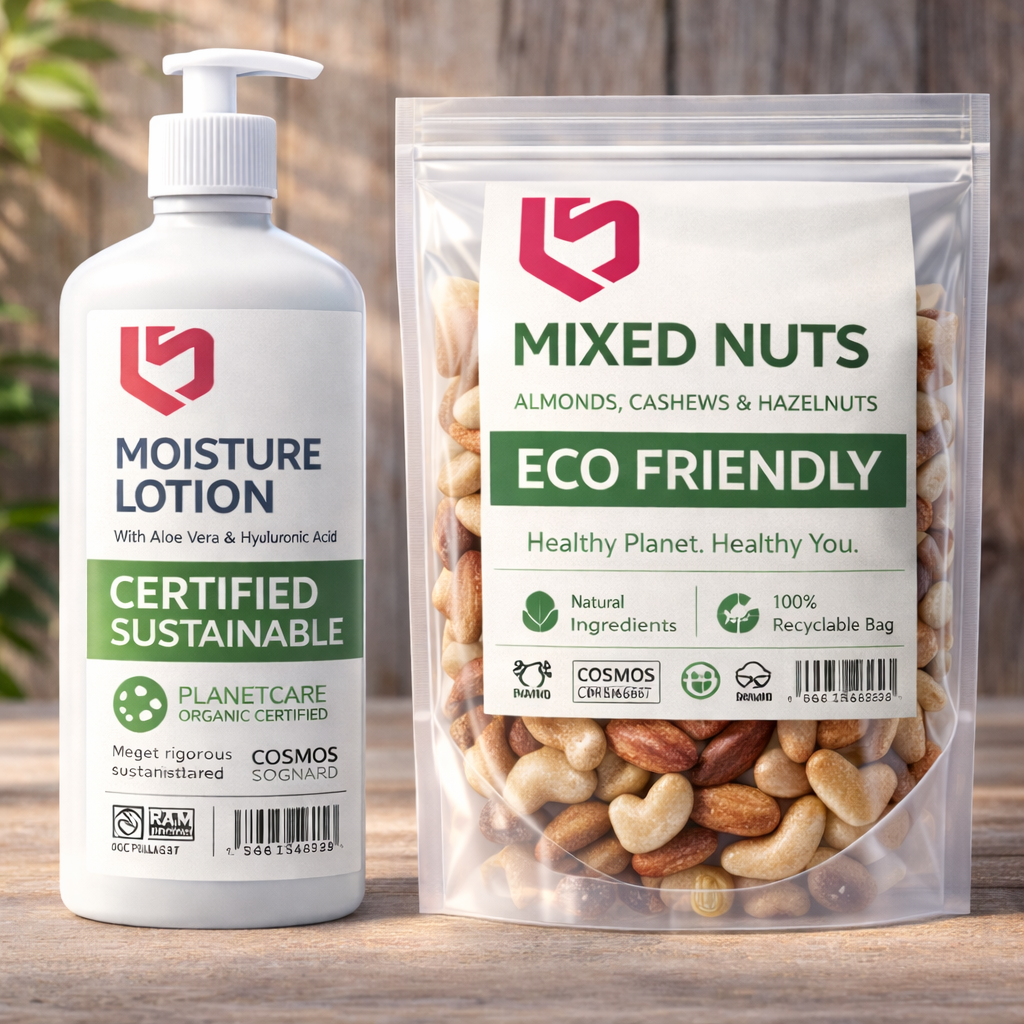
Eco labels are increasingly used to signal environmental responsibility, but not all eco labels carry the same regulatory weight. For UK regulators, the key distinction is whether a label represents a verified claim backed by independent evidence or a voluntary statement created by the brand. Confusing the two can mislead consumers and expose businesses to enforcement action. As scrutiny of green claims increases, understanding this distinction is essential for compliant label design.
What Counts as a Verified Eco Label
Verified eco labels are based on recognised schemes that apply defined criteria, third-party assessment, and ongoing oversight. These labels usually reference specific standards, certification bodies, or assessment methodologies. The value of a verified label lies in its traceability. Regulators expect that a consumer can understand what the label means, who verified it, and on what basis.
In the UK, enforcement bodies such as Competition and Markets Authority and Office for Product Safety and Standards look closely at whether verification is real, current, and relevant to the claim being made. A verified label must apply to the specific product and material, not a broader corporate initiative or unrelated packaging component.
Understanding Voluntary Environmental Claims
Voluntary eco labels are created by brands to communicate environmental features or commitments without reference to a formal certification scheme. These may include icons, badges, or short statements suggesting reduced impact, sustainability, or environmental benefit. Voluntary claims are not prohibited, but they carry higher risk because the burden of proof sits entirely with the brand.
For voluntary claims to be compliant, they must be accurate, specific, and capable of substantiation. Broad or vague statements such as “eco-friendly” or “better for the planet” are particularly vulnerable to challenge unless they are clearly explained and supported by evidence. Without that context, consumers may reasonably assume a level of verification that does not exist.
Common Labelling Risks and Misinterpretation
A frequent compliance issue arises when voluntary eco labels visually resemble verified schemes. Similar colours, shapes, or symbols can imply endorsement or certification where none exists. Regulators assess claims based on the overall impression created by the label, not just the wording. If an average consumer is likely to believe a claim has been independently verified, the label may be considered misleading.
Another risk is overextension. A verified claim relating to one aspect of a product, such as recyclable packaging, must not be presented in a way that suggests broader environmental benefits. Clear boundaries are essential to prevent misinterpretation.
Evidence and Documentation Expectations
Whether a claim is verified or voluntary, evidence must be available to support it. For verified labels, this means up-to-date certification documentation and scope clarity. For voluntary claims, it means having internal data, testing results, or assessments that directly support the wording used on the label.
Evidence must be proportionate to the claim. Strong or absolute claims require stronger substantiation. Regulators are increasingly unwilling to accept general sustainability narratives in place of specific, product-level evidence.
Managing Space and Clarity on Labels
Eco labels often compete for space with mandatory information. Where clarification or qualifiers are needed to avoid misleading impressions, labels can quickly become crowded. Reducing context to make claims fit is not acceptable. In regulated sectors, extended content label formats are often used to provide the necessary explanations without compromising legibility or compliance.