
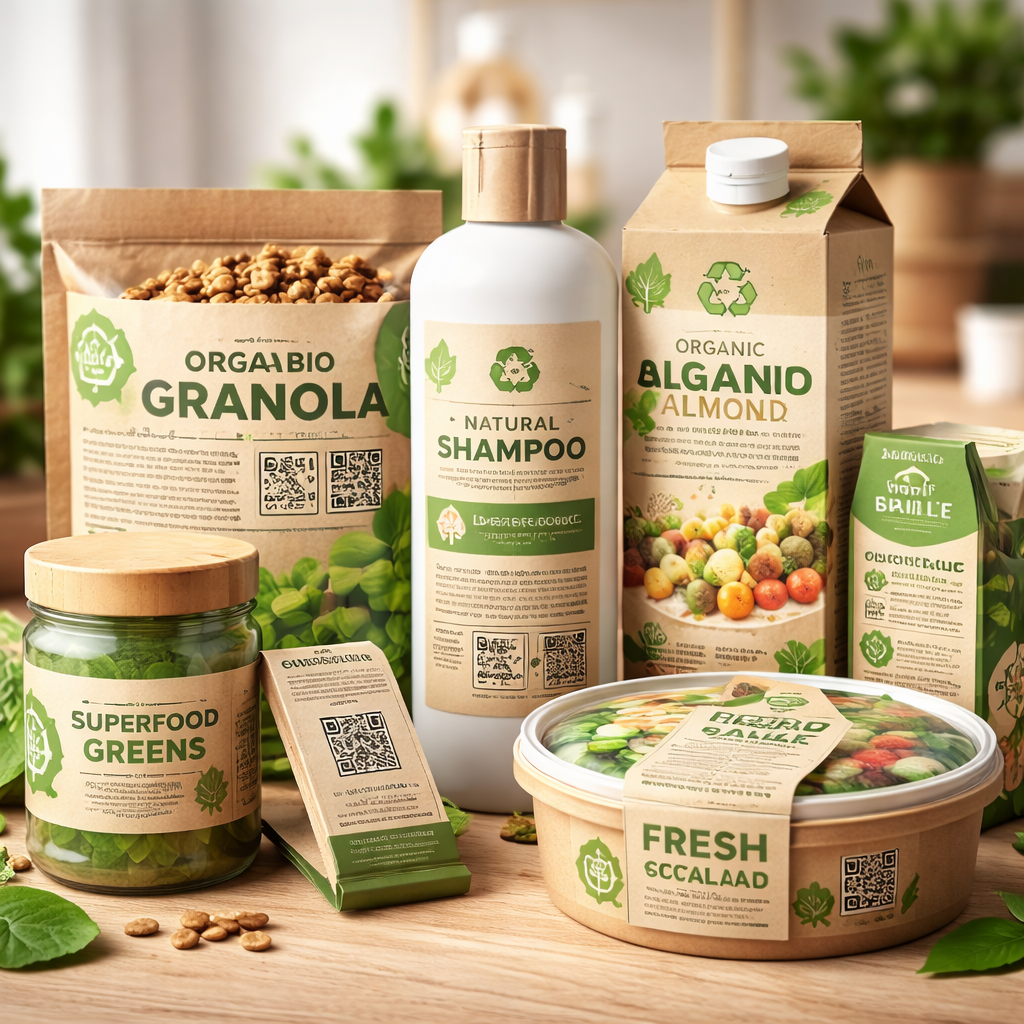
With resin prices elevated and Extended Producer Responsibility modulated fees now in full effect, many brands are struggling to balance genuine eco-friendly labelling with tight budgets in 2026. The good news is that staying compliant and sustainable does not have to mean paying a large premium if you choose the right approach.
Why Eco Label Costs Are Rising
Eco labels often rely on recycled content, biodegradable films, or specialty papers and coatings that have been affected by the current supply chain disruptions. Virgin resin shortages and higher processing costs for sustainable materials have pushed prices up significantly. At the same time, EPR rules reward packaging with better recyclability ratings, meaning poorly performing eco constructions can actually cost more through higher modulated fees.
Smart Strategies to Keep Eco Labels Affordable
The most effective way to control costs is to focus on genuine performance rather than green claims alone. Many brands are moving toward hybrid constructions — for example, a recycled paper base with targeted film elements only where moisture resistance is essential. This approach reduces overall resin usage while maintaining necessary durability and print quality.
Peel & reveal or booklet formats are another powerful tool. They allow you to include detailed environmental information, recycling instructions, and sustainability credentials without enlarging the label or adding extra packaging components. This consolidation frequently delivers net savings compared with using larger single-layer labels or separate inserts.
Practical Steps for 2026
Here are proven ways to keep eco labels compliant and cost-effective:
- Lightweight where possible — Use thinner, high-strength recycled or certified sustainable materials that still meet durability requirements.
- Leverage QR codes — Place essential printed information on the label and use a QR code to link to more detailed sustainability data, carbon footprint information, or postcode-specific recycling advice. This reduces printed material while enhancing transparency.
- Improve recyclability — Choose labels and adhesives that detach cleanly or are compatible with standard recycling streams. Better EPR ratings can offset some of the material cost premium.
- Standardise across ranges — Using consistent eco label constructions across multiple products lowers setup costs and improves negotiating power with suppliers.
- Lock in supply agreements — Work with specialist converters to secure longer-term pricing on certified sustainable stocks before further volatility hits.
When Eco Labels Deliver the Best Return
Eco labels remain a strong choice for brands targeting environmentally aware consumers, particularly in food, drink, cosmetics, and household products. When the sustainability story is genuine and clearly communicated, customers are often willing to support slightly higher prices. The key is to focus the eco features on products where they create real differentiation rather than applying them universally.
Eco labels do not have to break the budget in 2026. By combining smarter constructions such as peel & reveal, strategic use of QR codes, lightweighting, and improved recyclability, you can meet regulatory requirements, strengthen your environmental credentials, and keep costs under control.